Vein Finders Assessing lung Disorders Treatment

A pulmonary embolism is a sudden blockage in the arteries that supply blood to the lungs. It is caused by one or more blood clots. If you have mild lung injuries, doctors may give you oxygen through a mask. If your injuries are more serious, you may get medication for

Read More »
The acetabulofemoral joint (art. coxae) is the hip joint. It is the joint between the head of the femur and acetabulum of the pelvis and its primary function is to support the weight of the body in both static (e.g., standing) and dynamic (e.g., walking or running) postures.

Ultrasound-Guided Coxofemoral Joint

The acetabulofemoral joint (art. coxae) is the hip joint. It is the joint between the head of the femur and acetabulum of the pelvis and its primary function is to support the weight of the body in both static (e.g., standing) and dynamic (e.g., walking or running) postures. One of the most

Read More »
The acromioclavicular, or AC, is a joint in the shoulder where two bones meet. One of these bones is the collarbone or clavicle.

Ultrasound-Guided Acromio-Clavicular Joint

The acromioclavicular, or AC, is a joint in the shoulder where two bones meet. One of these bones is the collarbone or clavicle. The second bone is actually part of the shoulder blade (scapula), which is the big bone behind the shoulder that also forms part of the shoulder joint. Most

Read More »

Smoking Increases The Risks For Stroke

A stroke can sometimes cause temporary or permanent disabilities, depending on how long the brain lacks blood flow and which part was affected. In the United States, tobacco use is the leading cause of preventable disease, disability, and death. According to 2019 data, approximately 34 million US adults smoke cigarettes. Every day,

Read More »

Crucial Healthy Living Habits that Prevent you from Having a Stroke

Strokes are the leading cause of long-term disability among seniors, they occur when the blood supply to part of your brain is interrupted or reduced, preventing brain tissue from getting oxygen and nutrients. But most strokes can be prevented by living a healthy lifestyle. According to the World Health Organization

Read More »
Robot Gloves for Hemiplegia Finger Rehabilitation

Robot Gloves for Hemiplegia Finger Rehabilitation

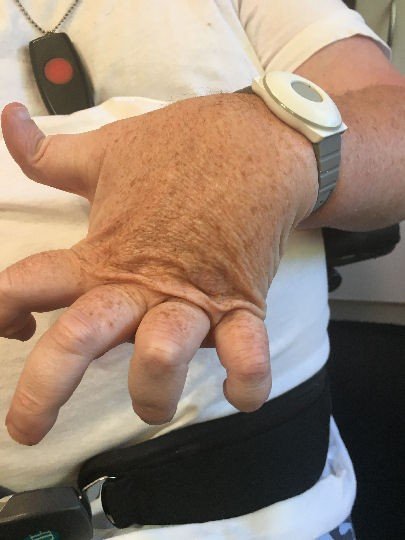
Hemiplegia is a condition characterized by paralysis on one side of the body caused by brain damage or spinal cord injury. It causes muscle weakness, muscle control issues, and muscle stiffness. The severity of hemiplegia symptoms varies according to the location and severity of the injury. After a stroke, a person with hemiplegia’s hand usually lacks voluntary finger extension, which opens the hand. Simultaneously, the hand

Read More »

Hand Rehabilitation following Middle Cerebral Artery Stroke

Middle cerebral artery (MCA) stroke describes the sudden onset of focal neurologic deficit resulting from brain infarction or ischemia in the territory supplied by the MCA. The MCA is by far the largest cerebral artery and is the vessel most commonly affected by a cerebrovascular accident.  MCA strokes are typically

Read More »
Teleultrasonography in Education, Training, and Patient Care

Teleultrasonography in Education, Training, and Patient Care

Under the WHO definition of telemedicine, “the delivery of health care services, where distance is a critical factor,” telemedicine services are intended for the exchange of valid information for the diagnosis, prevention, and treatment of disease and for the continuing education of health service providers, as well as for research and

Read More »

Hand Rehabilitation following Subdural Hematoma

A subdural hematoma is a buildup of blood on the surface of the brain. The blood builds up in a space between the protective layers that surround your brain. Head injuries that cause subdural hematomas are often severe, such as from a car crash, fall, or violent assault. Minor bumps

Read More »
Scroll to Top