US Characterization and Reporting of Adnexal Masses

US Characterization and Reporting of Adnexal Masses

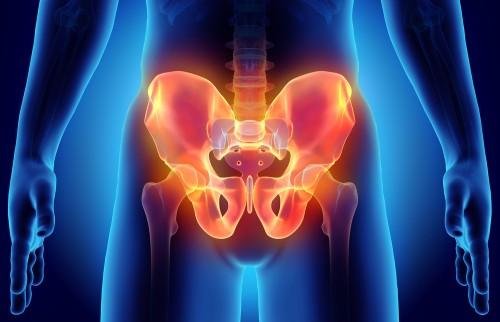
An Adnexal mass refers to a growth that develops in the female pelvic region. Adnexal masses occur near the uterus, usually in the ovaries, fallopian tubes, or connecting tissues. These growths can originate from either the reproductive system or nearby pelvic organs, such as the intestines or the urinary bladder.

Read More »
Ultrasound Guided Liver and Spleen Scan

Ultrasound-Guided Liver and Spleen Scan

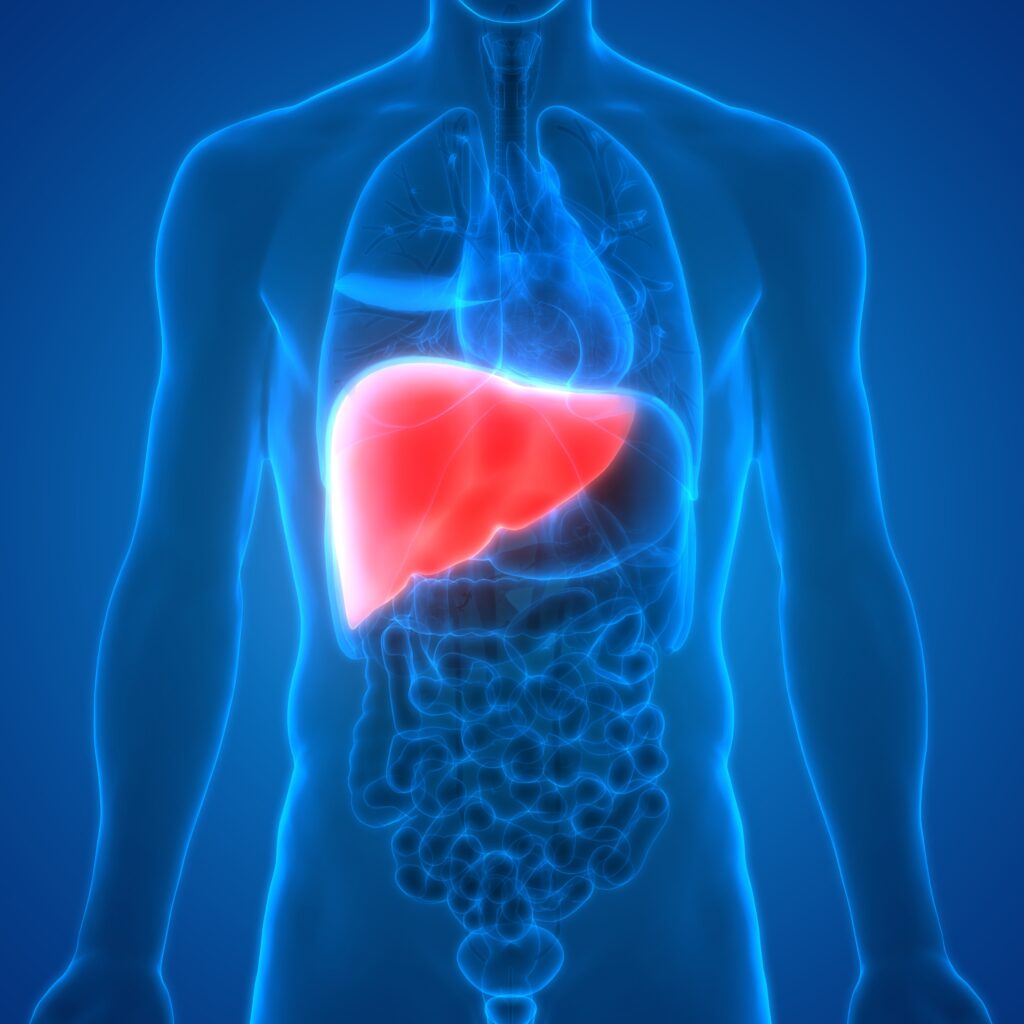
A liver and spleen scan is a nuclear scanning test. It uses a special camera to take pictures of these organs after a radioactive tracer is put into a vein in your arm. The tracer moves through your blood to your liver and spleen. The procedure is often called a

Read More »
Ultrasound Monitoring of Heartbeats and Blood Vessels at Hospitals

Ultrasound Monitoring of Heartbeats and Blood Vessels at Hospitals

Ultrasonography uses sound waves to produce pictures of the inside of the body. It helps diagnose the causes of pain, swelling and infection in the body’s internal organs. It even helps examine an unborn child (fetus) in pregnant women. Ultrasonography also helps diagnose heart conditions, and assess damage after a

Read More »

Hand rehabilitation after Sudeck’s atrophy

Sudeck’s atrophy or Reflex sympathetic dystrophy syndrome involves a disturbance in the sympathetic nervous system. The latter is the network of nerves that controls many bodily functions. Concerning the skin, it is responsible for opening and closing blood vessels and controlling sweat glands. The incidence of Sudeck’s syndrome in the

Read More »

Pediatric Stroke and its complications on child’s life

Pediatric stroke is a rare condition affecting one in every 4,000 newborns and an additional 2,000 older children each year. Cardiac disease is the most common cause of stroke in childhood. In children with a cardiac repair or catheterization, nearly 50% of strokes occur within 72 hours. The most common

Read More »
Ultrasound Assessment of Psoriatic Arthritis Patients with Fibromyalgia

Ultrasound Assessment of Psoriatic Arthritis Patients with Fibromyalgia

Fibromyalgia is a disorder characterized by widespread musculoskeletal pain accompanied by fatigue, sleep, memory, and mood issues. The main is similar to psoriatic arthritis (PsA) pain. Researchers believe that fibromyalgia amplifies painful sensations by affecting the way your brain and spinal cord process painful and non-painful signals. Of note, people

Read More »
Transabdominal Ultrasound Measurement of Pelvic Floor Muscle Mobility in Men with Chronic Prostatitis/ Pelvic Pain Syndrome

Transabdominal Ultrasound Measurement of Pelvic Floor Muscle Mobility in Men with Chronic Prostatitis/ Pelvic Pain Syndrome

Pelvic floor dysfunction is the inability to correctly relax and coordinate your pelvic floor muscles to have a bowel movement. Symptoms include constipation, straining to defecate, having urine or stool leakage and experiencing a frequent need to pee. Most often, Pelvic floor dysfunction results in chronic prostatitis/chronic pelvic pain syndrome (CP/CPPS).

Read More »
Synovial Vascularity Ultrasound Assessment in Synovitis Diagnosis

Synovial Vascularity Ultrasound Assessment in Synovitis Diagnosis

Abnormal synovial vascularity (SV) is evident with the onset of joint inflammation. That Inflammation causes swelling, pain, and warmth of the synovial membrane, which is a layer of connective tissue that lines a joint, such as the hip, knee, ankle, or shoulder. Synovitis is caused by some types of arthritis

Read More »

Rehabilitation following Hand Dysfunction ” Algodystrophy”

Algodystrophy, also known as complex regional pain syndrome (CRPS), is a painful disease characterized by erythema, edema, functional impairment and sensory and vasomotor disturbance. The diagnosis of CRPS is based solely on clinical signs and symptoms, and for exclusion compared to other forms of chronic pain. Algodystrophy develops especially at

Read More »
Scroll to Top