Psychological and Physical Rehabilitation after Stroke

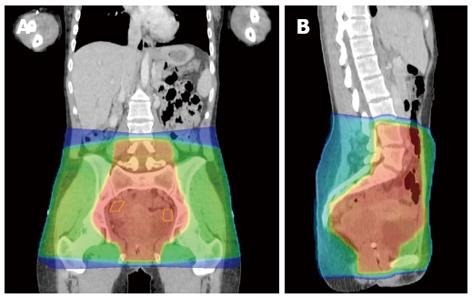
Psychosocial well-being may be affected following stroke.  Psychiatric disorder is the most common after a stroke. Depressive symptoms, anxiety, general psychological distress and social isolation are prevalent. Psychosocial difficulties may actually impact significantly on long-term functioning and quality of life, reduce the effects of rehabilitation services and lead to higher
Read More »

Brachial plexus injury rehabilitation

The brachial plexus is the network of nerves that sends signals from your spinal cord to your shoulder, arm, and hand. A brachial plexus injury occurs when these nerves are stretched, compressed, or in the most serious cases, ripped apart or torn away from the spinal cord. Treatment for a

Read More »

Robotic Rehabilitation Gloves assistance in Spasticity Treatment

Spasticity is a muscular stiffening or tightening disorder that prevents normal fluid movement. Muscles remain tight and resist stretching, causing problems with movement, speech, and gait. Damage or disruption to the part of the brain and spinal cord that controls muscle and stretch reflexes is the most common cause of

Read More »

Post-stroke hand impairment and recovery process

When an area of the brain is damaged from a stroke, the loss of normal function of part of the body may occur. This may result in a disability. The hand is among the most commonly vulnerable organ to strokes. When a stroke occurs, the hands may experience increased tone or stiffness due

Read More »
Hip intra-articular and trochanteric syndrome injections

Hip intra-articular and trochanteric syndrome injections

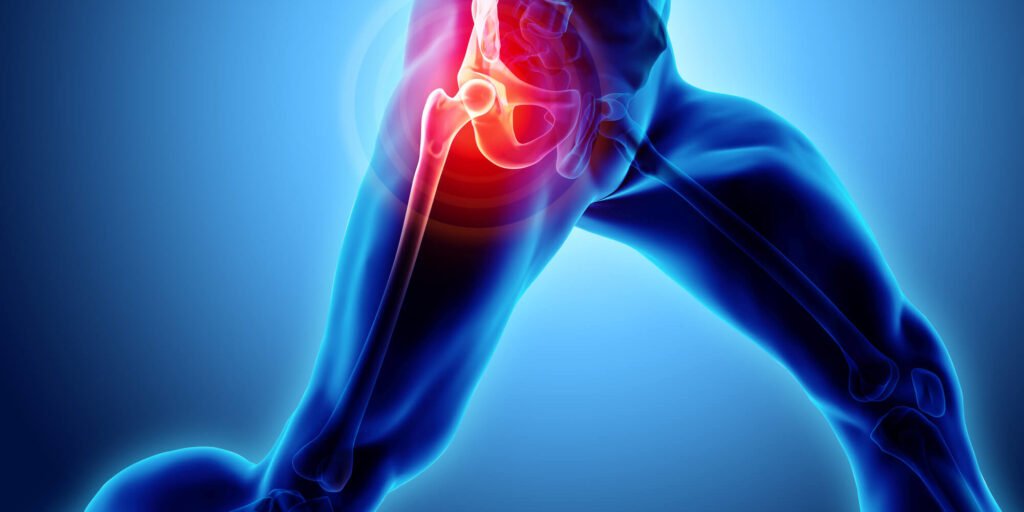
Intra-articular hip pathology is commonly found in patients with greater trochanteric pain syndrome and may be a possible pain generator in patients with recalcitrant lateral hip pain. The trochanteric syndrome has different symptoms. The most common of which are pain in the outer bottom/thigh/buttock area, especially when lying on your

Read More »
High-frequency Ultrasound in Clinical Dermatology

High-frequency Ultrasound in Clinical Dermatology

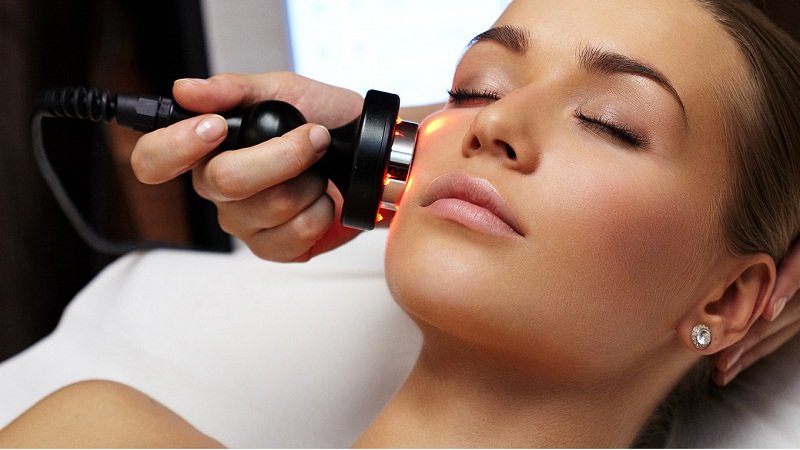
Today, high-frequency ultrasound (HFUS), (10MHz and above), provides for high-resolution imaging of the skin from the stratum corneum to the deep fascia. It’s a  noninvasive and easy-to-interpret screening tool that allows physicians to assess skin conditions in real time, leading to enhanced diagnostic, management, and surgical capabilities. Dermatology is a

Read More »

Rehabilitation of Stroke Patients with Plegic Hands

Stroke incident increases progressively with age, peaking in people over the age of 85. 75% of strokes are found in people over 65 years of age. After a stroke, it is estimated that about 20% of subjects do not recover and lose the functionality of the upper limb, especially the

Read More »
Ultrasound guided erector spinae block

Ultrasound-guided erector spinae block

The erector spinae plane (ESP) block is a newer regional anesthetic technique that can be used to provide analgesia for a variety of surgical procedures or to manage acute or chronic pain. The conventional technique of anesthesia involves inserting the needle perpendicular to all planes, contacting the transverse process, and then

Read More »
Scroll to Top